Fridge Problem Solutions: Common Refrigerator Problems and Their Fixes
Your refrigerator is one of the most important appliances in your home. It keeps your food fresh and safe, making daily life easier. But when it stops working properly, it can cause a lot of stress. Luckily, many fridge issues are common and can be fixed with some simple steps. This guide will help you understand typical problems and how to solve them quickly.
Easy Fridge Problem Solutions to Try at Home
When your fridge acts up, don't panic. Many problems have straightforward solutions you can try before calling a technician. Here are some practical tips:
Check the power supply: Make sure the fridge is plugged in and the outlet works. Sometimes, a tripped breaker or loose plug is the culprit.
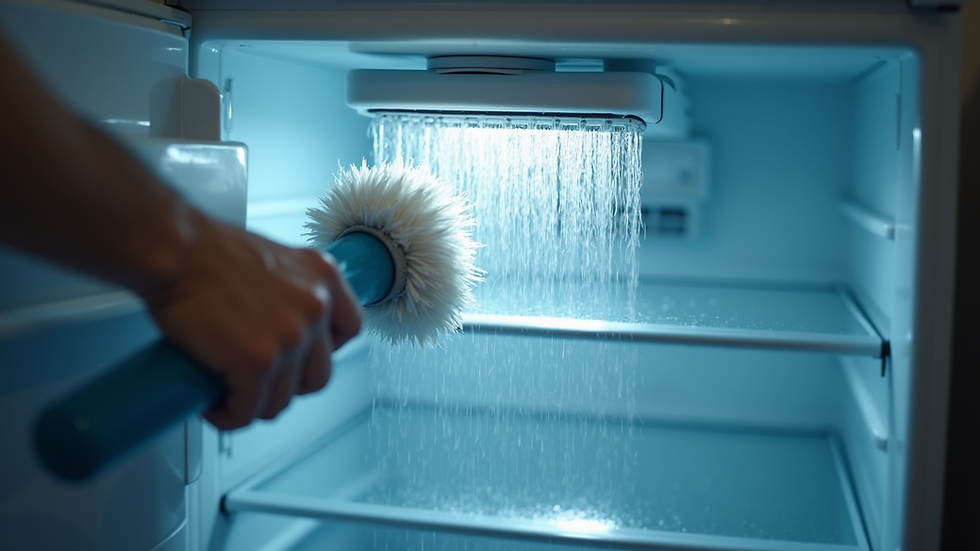
Clean the coils: Dust and dirt on the condenser coils reduce efficiency. Use a vacuum or brush to clean them every six months.
Adjust the temperature settings: The ideal fridge temperature is between 37°F and 40°F. If it’s too warm or too cold, adjust the thermostat.
Inspect the door seals: Damaged or dirty seals let cold air escape. Clean them with warm soapy water and replace if cracked or torn.
Avoid overloading: Too much food blocks air circulation, causing uneven cooling.
These simple steps often solve minor issues and keep your fridge running smoothly.
What is the Most Common Problem with Refrigerators?
One of the most frequent issues homeowners face is a fridge that is not cooling properly. This problem can have several causes:
Dirty condenser coils: As mentioned, dust buildup makes the fridge work harder and cool less effectively.
Faulty evaporator fan: This fan circulates cold air inside the fridge. If it stops working, some areas won’t cool.
Blocked air vents: Food items or ice can block vents, restricting airflow.
Thermostat problems: A malfunctioning thermostat may not signal the compressor to run.
Refrigerant leaks: Low refrigerant levels reduce cooling power and require professional repair.
If your fridge is warm or inconsistent in temperature, start by checking these areas. Sometimes, defrosting the freezer or cleaning vents can restore proper cooling.
How to Fix a Refrigerator That Is Making Noise
Unusual noises from your fridge can be annoying and signal a problem. Here’s how to identify and fix common sounds:
Buzzing or humming: This is usually normal when the compressor or fans run. But if it’s louder than usual, check for dirt on the condenser coils or a failing fan motor.
Clicking sounds: Often caused by the compressor trying to start but failing. This could mean a bad start relay or compressor issue.
Rattling or vibrating: Make sure the fridge is level and not touching the wall or cabinets. Loose parts or items inside can also cause noise.
Squealing or whining: This may indicate a worn fan motor or compressor bearing.
If you hear strange noises, start by cleaning and leveling the fridge. If the sounds persist, it’s best to call a professional to avoid further damage.

Why Is My Refrigerator Leaking Water?
Water leaks inside or outside your fridge can be frustrating. Here are common causes and fixes:
Clogged defrost drain: When the drain is blocked, water from defrosting pools inside the fridge or leaks out. Clear the drain with warm water or a pipe cleaner.
Damaged door seal: If cold air escapes, condensation can form and drip. Clean or replace the seal.
Improper leveling: If the fridge isn’t level, water may not flow to the drain pan correctly.
Full or cracked drain pan: Check the pan under the fridge and empty or replace it if needed.
Regular maintenance, like cleaning the drain and checking seals, helps prevent leaks and keeps your fridge dry.
When to Call a Professional for Refrigerator Repairs
While many fridge problems have simple fixes, some require expert help. You should contact a professional if:
Your fridge is not cooling despite basic troubleshooting.
You notice refrigerant leaks or frost buildup.
The compressor or fan motors are faulty.
Electrical components like the thermostat or start relay need replacement.
You are uncomfortable performing repairs yourself.
A qualified technician can diagnose and fix complex issues safely and efficiently. Prompt repairs help avoid food spoilage and extend your fridge’s lifespan.
By understanding these common refrigerator problems and solutions, you can keep your appliance running smoothly. Remember to perform regular maintenance and act quickly when issues arise. If you want to learn more about common refrigerator problems and solutions, visit trusted repair resources or contact a local expert.
Taking care of your fridge means less hassle and more peace of mind in your home. Keep these tips handy and enjoy a well-functioning kitchen every day.


